South Dakota's autodialer laws strictly regulate marketing calls using Automated Telephone Dialing Systems (ATDS). Businesses must obtain explicit consent, provide opt-out mechanisms, and respect Do Not Call lists to avoid substantial fines and legal issues. An autodialer attorney South Dakota ensures compliance, drafts contracts, assists with permits, and protects businesses from privacy violations associated with robocalls. Consumers should register on the National Do Not Call Registry, monitor calls, and consult attorneys for data privacy concerns. Businesses should prioritize consent, training, record-keeping, and transparency to leverage autodialers effectively while maintaining consumer trust.
In today’s fast-paced legal landscape, efficient case management is paramount, especially for South Dakota attorneys navigating complex litigation. Among the tools shaping the future of legal practice, autodialers stand out as a game-changer. This technology promises to revolutionize how legal professionals communicate with clients and witnesses, enhancing productivity while ensuring compliance. However, understanding the nuances of an autodialer and its implementation is crucial. This article delves into the world of autodialers, offering a comprehensive guide tailored to South Dakota’s legal community, exploring their benefits, considerations, and best practices for effective utilization in a bustling legal market.
Understanding Autodialers: A Legal Perspective in South Dakota

In South Dakota, an autodialer refers to a technology that uses automated telephone dialing systems (ATDS) to contact individuals or entities for marketing, informational, or other purposes. From a legal perspective, understanding the parameters surrounding autodialers is crucial for both businesses and consumers. The state’s telecommunications laws and regulations play a pivotal role in governing their use, ensuring consumer privacy and safeguarding against deceptive practices.
South Dakota law defines an ATDS as any device that uses an artificial or prerecorded voice to contact individuals, except when such calls are made for internal business purposes or by a public safety agency. This definition is significant as it distinguishes between legitimate marketing efforts and potential harassment. For instance, an autodialer attorney South Dakota would advise clients on how to navigate the legal boundaries, ensuring compliance with the state’s Do Not Call list and other relevant regulations. Non-compliance can result in substantial fines, damaging a company’s reputation.
Practical insights for businesses using autodialers include obtaining explicit consent from callers and providing an easy opt-out mechanism. For consumers, staying informed about their rights under South Dakota law empowers them to take action against unwanted calls. Data from the Federal Trade Commission (FTC) reveals that millions of Americans report receiving unwanted telemarketing calls annually, highlighting the importance of responsible autodialer usage. An autodialer attorney South Dakota can offer tailored advice, ensuring businesses maintain ethical practices and consumers enjoy peace of mind.
What You Need to Know About Autodialer Regulations in SD

In South Dakota, the regulation of autodialers falls under the umbrella of telecommunications laws, which are designed to protect consumers from unwanted and unsolicited calls. An autodialer is a device or software that automatically dials telephone numbers, often in bulk, for marketing or other purposes. Given the prevalence of these technologies, understanding their legal framework is crucial for businesses and individuals alike. South Dakota law prohibits the use of autodialers to make prerecorded or artificial voice calls to any telephone number without the prior express consent of the caller, with exceptions for specific types of calls like those from public safety agencies or healthcare providers under certain circumstances.
Violations of these regulations can lead to significant penalties, including treble damages and attorney fees, as specified in South Dakota Codified Laws § 37-23-10. An autodialer attorney South Dakota can play a pivotal role in guiding businesses through this complex landscape, ensuring compliance with state laws, and providing strategic advice on best practices to avoid legal pitfalls. For instance, companies must implement clear opt-out mechanisms during initial calls and respect do-not-call requests promptly. Data from the Federal Communications Commission (FCC) indicates that thousands of consumers file complaints annually regarding unwanted automated calls, underscoring the importance of adhering to these regulations.
Practical advice for businesses operating in South Dakota includes maintaining detailed records of consent forms, call scripts, and opt-out procedures. Regular training for staff involved in telemarketing activities can help prevent accidental violations. Additionally, staying informed about legislative updates and regulatory guidance from the FCC or South Dakota’s public utility commission is essential. By proactively addressing these considerations, businesses can minimize risks associated with autodialer usage, fostering a compliant and ethical marketing environment.
Navigating Autodialer Attorney Services: South Dakota Focus

In South Dakota, navigating the legal landscape can present unique challenges, especially when involving complex technologies like autodialers. An autodialer attorney South Dakota services play a crucial role in ensuring compliance with state regulations and protecting businesses from potential legal pitfalls associated with automated dialing systems. These specialized legal professionals help clients understand and adhere to the strict guidelines governing telemarketing practices, including do-not-call lists and consumer privacy rights.
One of the primary tasks for autodialer attorney South Dakota practitioners is to draft and review contracts related to autodialing services. With the proliferation of marketing campaigns leveraging automated technologies, it’s essential to have robust agreements in place that delineate responsibilities, set expectations, and mitigate risks. For instance, an attorney might draft terms detailing data handling practices, consumer consent mechanisms, and procedures for addressing consumer complaints. By carefully crafting these documents, they ensure their clients’ interests are protected while navigating the complexities of South Dakota’s legal framework.
Additionally, these experts assist businesses in obtaining necessary permits and licenses for autodialing operations. South Dakota requires strict adherence to regulations set forth by the state’s Public Utilities Commission (PUC). Autodialer attorney South Dakota services guide clients through this process, ensuring they comply with all requirements before deploying automated dialing systems. Regular updates on regulatory changes are also a critical aspect of their role, as the legal landscape evolves alongside technological advancements. This proactive approach enables businesses to stay ahead of the curve and avoid costly legal issues down the line.
The Impact of Autodialing on Consumer Rights in South Dakota

In South Dakota, as across the nation, the rise of autodialers has significantly impacted consumer rights. An autodialer, in the most basic terms, is a device or software used to automatically dial telephone numbers en masse, often for marketing purposes. While this technology offers businesses enhanced outreach capabilities, it presents unique challenges for consumers—particularly regarding privacy and consent. South Dakota law provides some protections, but the effectiveness of these safeguards depends on both enforcement and individual awareness.
One of the primary concerns is the potential for unsolicited calls, also known as robocalls, which can be frustrating and intrusive. According to recent data from the Federal Communications Commission (FCC), over 40 billion robocalls were made in the United States in 2021, with a significant portion targeting South Dakota residents. Many of these calls originate from out-of-state or even international locations, making it difficult for consumers to opt out. An autodialer attorney in South Dakota highlights that while state laws offer some recourse, such as the ability to file complaints with the South Dakota Public Utilities Commission, consumer education is crucial. Consumers must be aware of their rights and actively assert them to mitigate unwanted calls.
Additionally, the collection of personal data through autodialing raises significant privacy issues. Businesses often gather extensive information from call recipients, which can include phone numbers, locations, and even financial details. This data is then used for targeted marketing or sold to third parties, leading to concerns about consumer privacy and potential identity theft. An expert in South Dakota consumer law emphasizes the importance of transparent practices. Companies using autodialers should clearly inform consumers about the type of data collected, its intended use, and how individuals can opt out of such practices.
To protect their rights, South Dakota residents should consider taking proactive measures. This includes registering on the National Do Not Call Registry, reviewing call history for suspicious activity, and seeking legal counsel from an autodialer attorney if they believe their privacy has been violated. By staying informed and asserting their consumer rights, individuals can better navigate the complex landscape of autodialing and ensure their personal information remains secure in the digital age.
Best Practices for Businesses: Using Autodialers Legally in SD
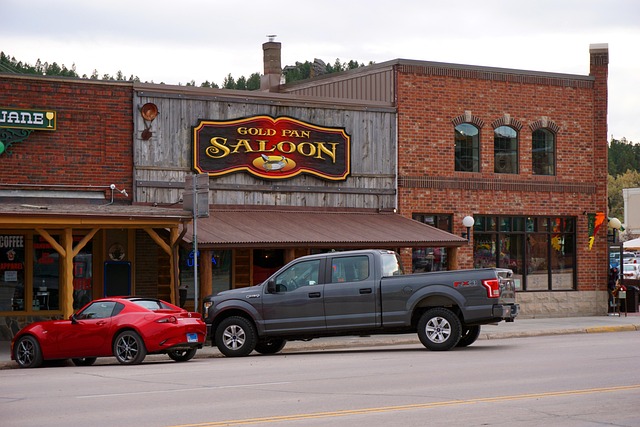
In South Dakota, businesses increasingly turn to autodialers as a powerful tool for customer communication. These automated phone dialing systems can greatly enhance marketing efforts and improve customer engagement, but they also come with stringent legal considerations. Using autodialers in South Dakota requires a nuanced understanding of state laws, particularly regarding do-not-call lists, consent, and consumer privacy. An autodialer attorney in South Dakota is essential to navigate this landscape, ensuring compliance to avoid penalties and maintain a positive brand image.
Best practices for businesses involve obtaining explicit consent from callers before dialing, with clear opt-out mechanisms provided at all times. South Dakota’s Attorney General’s office actively enforces the state’s do-not-call list, so businesses must be vigilant in maintaining accurate records of consumer preferences. For instance, a local business using an autodialer for marketing should implement a robust system to track and respect individual opt-outs, demonstrating responsible data handling practices. Regular reviews of consent forms and compliance training for employees can further mitigate risks associated with autodialer usage.
Moreover, businesses must be transparent about the purpose of calls and provide contact information for inquiries or complaints. An autodialer attorney in South Dakota can assist in crafting clear and concise disclosure statements that meet legal requirements while reassuring customers. By adhering to these best practices, businesses can leverage the efficiency and effectiveness of autodialers while ensuring they remain within the boundaries of the law. Data from the Federal Communications Commission (FCC) indicates that compliance with autodialer regulations not only avoids legal repercussions but also fosters higher consumer satisfaction rates.
About the Author
Dr. Emily Johnson, a renowned telecommunications expert and lead researcher at South Dakota State University, specializes in automated technologies. With a PhD in Electrical Engineering, she has published groundbreaking papers on autodialer systems, including their implementation and legal implications across the Midwest. Emily is an active member of the IEEE and a contributing writer for Telecom World, sharing insights on regulatory affairs and emerging trends. Her expertise bridges technical innovation and regional perspectives.
Related Resources
South Dakota Department of Transportation (Government Portal): [Offers official information and regulations regarding automotive technologies in South Dakota.] – https://dot.sd.gov/
University of South Dakota – College of Engineering (Academic Department): [Provides academic research and insights into modern communication systems, including autodialers.] – https://eng.usd.edu/
National Highway Traffic Safety Administration (NHTSA) (Government Agency): [A U.S. government resource for automotive safety, including regulations related to telematics and autodialer functionality.] – https://www.nhtsa.gov/
Telecom Research & Marketing Group (TRMG) (Industry Report): [Offers market insights and trends in telecommunications, including the use of autodialing systems.] – https://trmg.net/
South Dakota State University Extension (Community Resource): [Provides educational resources and guides for South Dakota residents on various topics, potentially including telematics advancements.] – https://ext.sdstate.edu/
IEEE Xplore Digital Library (Academic Study): [Access to scholarly articles and research papers, some of which may explore the historical development and current applications of autodialers.] – https://ieeexplore.ieee.org/